Build Your Fire: A Three-Part Advocacy Workshop Series
with Dr. Matthew J. Camp, Campfire Strategies
September 28 and October 6 at Zion Lutheran Church in Pittsfield in person or via Zoom. In person strongly encouraged.
October 23- in person only- as we will be building a real fire! Location: at a private location to be provided upon registration.
Develop the skills and confidence to advocate effectively for your organization and community. This engaging series moves from understanding government relations and crafting your message to building sustainable community engagement—and concludes with a unique outdoor experiential session centered around the principles of Dr. Camp’s Tend framework.
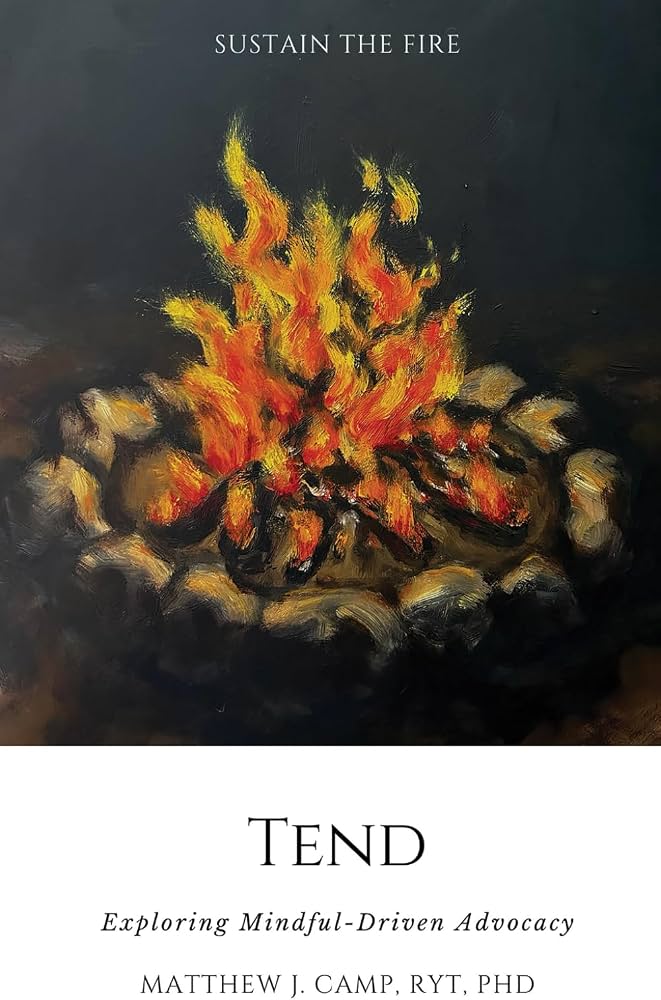
We encourage you to read Dr. Camp’s book, Tend: Exploring Mindful Driven Advocacy, before participating in this series, but it’s not required reading.
Dr. Matthew J. Camp
Campfire Strategies founder
Campfire Strategies was founded by Dr. Matthew J. Camp on a conviction forged over 20 years in politics, higher education, and community organizing: that nonprofits can change the world — if they learn to engage the political systems that shape it.
Matt served as Vice President at the Commission on Independent Colleges & Universities in New York, overseeing government affairs and education policy for a coalition of 100+ colleges. Prior to that, he was founding Director of Government Relations & Community Engagement at Teachers College, Columbia University, where he built a government relations operation from scratch — cultivating relationships with city, state, and federal officials, overseeing community engagement for 94,000 alumni, and co-founding TC Take Action, a student-led advocacy initiative that trained a new generation of advocates. Earlier, he worked in government relations work for Princeton University and was staff assistant for two U.S. Senators.
He is the author of Tend, which explores how mindfulness and fire-building practices can sustain advocates through the long work of political change. Matt holds a Ph.D. in Politics & Education from Columbia University, a Masters of Public Policy from Rutgers University, and a B.A. with distinction from the University of Delaware. He is based in Massachusetts.
A New Approach to Workshop Pricing
We believe professional development should be accessible to nonprofit professionals regardless of what they or their organizations can afford.
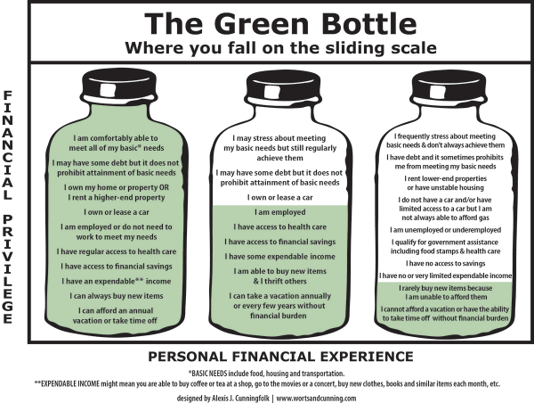
Beginning this fall, all NPC workshops will use a three-tier sliding scale, adapted from Alexis J. Cunningfolk’s The Sliding Scale: A Tool of Economic Justice (the “Green Bottle Method”).
The idea is simple: choose the rate that best reflects your current resources. Every participant receives the same program, regardless of what they pay. No application, documentation, or explanation is required.
THE FULL GREEN BOTTLE
Choose this rate if you or your organization can comfortably pay the full cost of the program. Paying at this level helps NPC keep lower-cost options available to others.
THE TIPPED GREEN BOTTLE
Choose this rate if paying the full price would put meaningful pressure on your personal or organizational budget.
THE LOW GREEN BOTTLE
Choose this rate if cost would otherwise prevent you from participating.
There is no “right” tier. We trust you to choose the one that makes participation sustainable for you.
Have questions or thoughts about the new pricing model? Please reach out to Samantha
Build Your Fire: A Third-Part Advocacy Workshop Series — Pricing
| TIER | PER SESSION | FULL 3-PART SERIES |
| The Full Green Bottle | $50 | $125 |
| The Tipped Green Bottle | $35 | $85 |
| The Low Green Bottle | $20 | $50 |
Choose the level that reflects your current capacity — no explanation needed.
The Three-Part Series
Part 1 – Government Relations Workshop
Know your lawmakers, know your ask
Monday, September 28, 2026 · 12:00–1:00 PM · Hybrid [ In Person · Zion Lutheran Church, Pittsfield or Virtual via Zoom]
Participants leave with a lawmaker contact sheet and a ready-to-use set of advocacy materials.
- Identify Your Lawmakers — map your federal, state, and local representatives, their committee assignments, and the staff who handle your issue area.
- Identify Your Issue & Ask — choose one priority issue and define a specific, actionable ask you can bring to a lawmaker.
- Draft Your Messaging Funnel — turn that issue and ask into three linked pieces of collateral, each shorter than the last:
- Letter to your representative — a one-paragraph statement of the issue and the ask, ready to send or hand-deliver.
- Tweet / X post — the same issue and ask distilled to a single shareable post.
- Bumper sticker line — the ask boiled down to a short, memorable phrase.
- Engage With Rep. Tricia Farley-Bouvier of the 2nd Berkshire District — learn directly from a member of the legislature who will share their perspective on what works in advancing legislation and requests for funding.
Part 2 – Community Engagement — The Tend Model
Build and sustain your advocacy fire
Tuesday, October 6, 2026 · 12:00–1:00 PM · Hybrid [ In Person · Zion Lutheran Church, Pittsfield or Virtual via Zoom]
Grounded in Dr. Matthew J. Camp’s book Tend, this session applies the fire-tending framework to the emotional and organizational work of sustained advocacy — how to keep community energy alive long after the first spark. Steps include:
- Gather — identify the people, relationships, and community assets that are your kindling. • Ignite — turn initial interest into a first concrete act of engagement.
- Tend — build the habits, check-ins, and rituals that keep engagement burning between big moments.
- Breathe — recognize burnout and setbacks early, and reignite momentum mindfully.
Part 3 – Actual Fire Building
Outdoors, applying the Tend steps
Friday, October 23, 2026 · 9:00–10:30 AM · Private Home (location to be provided upon registration)
The series closes outside, building a real fire together as an embodied, closing ritual — practicing the same Tend steps just used for community organizing: gathering materials, sparking the flame, tending it as it grows, and keeping it sustained.
- Gather and Arrange materials — tinder, kindling, and fuel wood, structured with intention. • Ignite & Tend — light and nurture the fire as a group, mirroring the Part 2 framework.
- Expand and Extinguish — closing circle connecting the physical fire to each participant’s advocacy fire going forward.